Guides · Clermont, Florida
Clermont FL Weather: Season-by-Season Guide
Clermont sits on the steepest ground in peninsular Florida. That is the first thing to understand about its weather. The hills make it colder, breezier, and more prone to sharp local swings than the flat, coastal parts of the state. The same topography that once held thousands of citrus trees now shapes a town that has traded oranges for athletes. The climate history explains both.
The Hill Effect: Why Clermont's Weather Isn't Flat Florida
Most of Florida is a slow, sandy incline. Clermont is not. Its ridge-and-hill terrain breaks up the uniformity of peninsula weather, and that has real consequences. Hills force air to rise, cool, and condense—more cloud development, different storm timing than the surrounding flatlands. At night, cold air drains into low spots, creating frost pockets flatland towns rarely see. Ridgelines catch wind that would otherwise slide over open ground, which is why a summer evening in Clermont often feels less oppressive than in valley-floor towns. Locals feel the difference most clearly in winter, when a clear, calm night can drop temperatures several degrees lower in a hollow than on a nearby hilltop.
Clermont's Freeze History: How Cold Killed the Citrus Groves
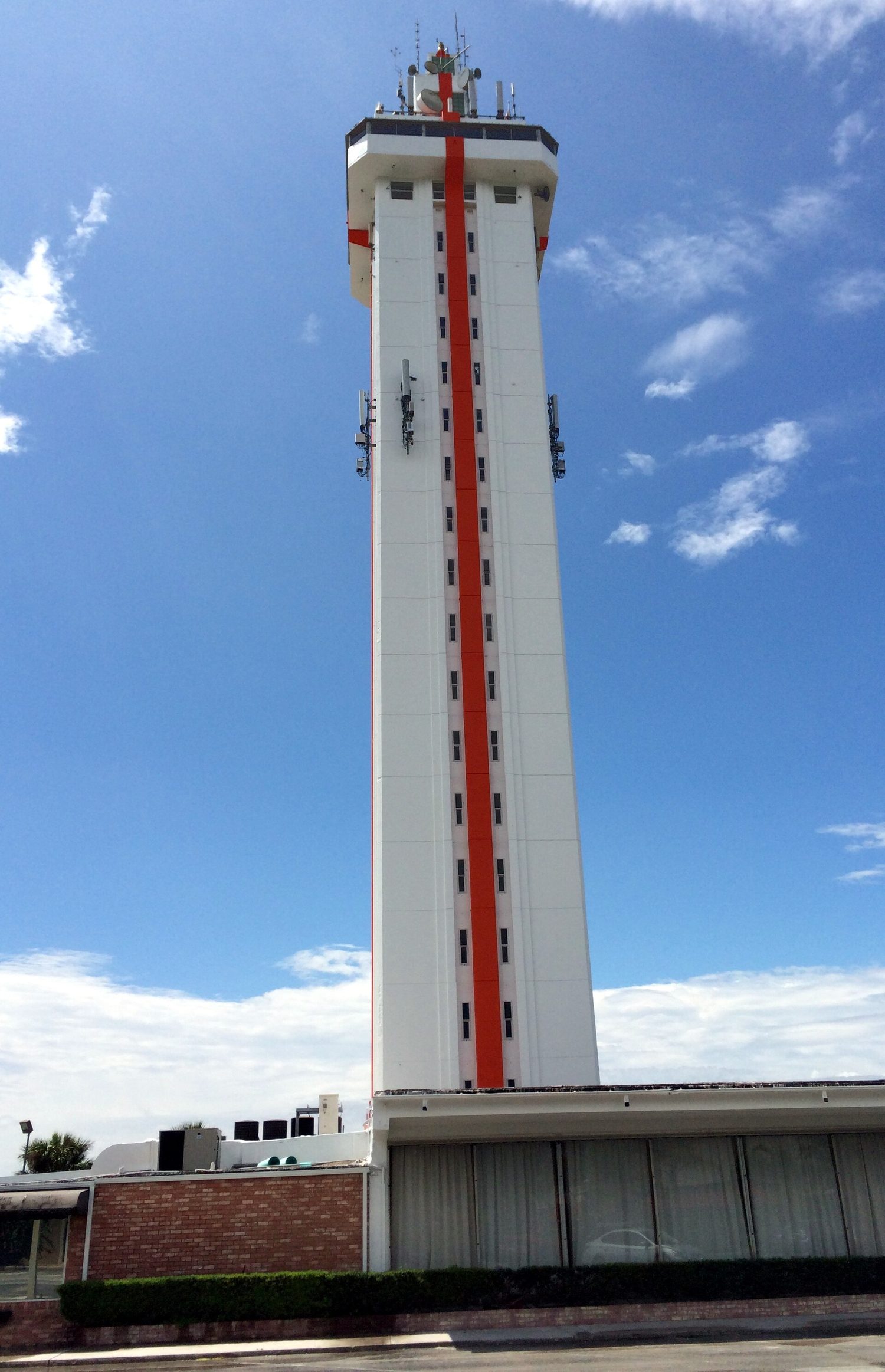
Clermont was established in 1884, incorporated as a town on 9 June 1891, and reincorporated as a city on 28 December 1916. For most of that time, citrus defined the economy. Orange and citrus groves dominated the county into the mid-twentieth century, then dwindled fast under repeated freezes and suburban development. The weather played the main role: the frost pockets that make Clermont's hills interesting are deadly to citrus, and a series of hard freezes through the mid-1900s killed trees faster than growers could replant them. The Florida Citrus Tower, built in 1956, still stands over a landscape whose groves have largely gone—one of Florida's earliest roadside landmarks outliving the industry it was built to celebrate. A monument to what the climate took away.
Clermont Summers: Afternoon Thunderstorms and Lake Breezes
Summer runs hot and humid. Morning sun builds into afternoon thunderstorms driven by sea breezes from both coasts converging inland. The pattern is reliable enough to plan around: clear mornings, storm buildup by early afternoon, heavy rain and lightning, then clearing by evening. Lake Minneola moderates the heat somewhat, and Waterfront Park on the lake offers swimming, fishing piers, and a playground for those who want to work around the storm schedule. Residents learn to get outdoor chores done before noon. The hills add a small twist—storms can split or intensify around the ridges, so one neighborhood may get drenched while another stays dry.
Fall and Spring: The Training Seasons
Fall and spring are the interlude: mild, dry, and stable, with lower humidity and reliable sunshine. These are the seasons that made Clermont a training hub. The National Training Center, established there in 2001, brought athletes who need consistent, comfortable conditions for endurance work. The city adopted the slogan "Choice of Champions" in 2014, a nod to that presence. These are also the seasons for outdoor events like Pig on the Pond, a three-day event at Waterfront Park and the biggest in south Lake County, drawing more than 20,000 people. Run by Project Scholars, a non-profit, the 2026 edition was the 27th. If you want to visit for hiking, cycling, or festival-going, this is the window.
Clermont Winters: Cold Snaps, Frost, and the Citrus Legacy
Winter separates Clermont from the Florida of postcards. Average daytime highs are mild—often in the 60s and 70s—but nights can drop to freezing, and the hills make it worse. Cold air settles into low areas, creating frost pockets that can be several degrees colder than the ridgelines. Freeze warnings are real, even if snow is not. The citrus legacy persists in what grows today: homeowners who plant orange trees are gambling on the same frost lines that bankrupted the old groves. Landscape choices still reflect the freeze history, with cold-hardy species favored over tropical ones. Winter is quieter, less humid, and good for hiking, but it is not a beach season.
When to Visit Clermont: A Season-by-Season Quick Guide
For lake days and swimming, summer works if you plan around afternoon storms. For festivals and training, fall and spring are the clear winners. For hiking and solitude, winter is fine if you pack layers and respect the frost pockets.
| Season | Typical Weather & What It Means |
|---|---|
| Summer | Hot, humid, morning sun, afternoon thunderstorms; plan outdoor activity before noon and use lake breezes for relief |
| Fall | Mild, dry, stable; best for festivals like Pig on the Pond and long outdoor training |
| Winter | Cool to mild days, cold nights, frost pockets in low areas; good for hiking, not for swimming |
| Spring | Similar to fall—dry and comfortable; ideal for cycling, running, and events before summer heat returns |
Clermont's weather is not flat Florida. It is hill country, with hill-country temperature swings, hill-country breezes, and a history written in frozen orange trees. The groves are gone, but the climate that killed them now hosts a different kind of endurance.
Common questions
- What is the best time of year to visit Clermont?
- Spring and fall are best, with mild temperatures and lower humidity. Summer is hot and stormy, while winter can bring occasional freezes, a reminder of the citrus history. Check local forecasts before planning outdoor activities.
- Does Clermont get cold in winter?
- Yes, winter can bring freezing temperatures, which is why the citrus groves died out. Average lows can dip near freezing, so pack layers. The Florida Citrus Tower, built in 1956, still stands as a reminder of that era.
- Is summer too hot for outdoor activities in Clermont?
- Summer is hot and humid, with afternoon thunderstorms common. Early mornings are best for hiking the hills or swimming at Waterfront Park on Lake Minneola. Bring water and sunscreen, and plan indoor breaks.
- When is hurricane season in Clermont?
- Hurricane season runs from June through November, with peak activity August to October. Clermont is inland, but storms can bring heavy rain and wind. Monitor forecasts and have a plan if you're visiting during that period.
- What is the weather like during Pig on the Pond?
- Pig on the Pond happens in spring, typically with warm, pleasant weather. It's held at Waterfront Park, so expect sunshine and possible showers. The 2026 edition is the 27th, drawing over 20,000 people.
- Does Clermont have a rainy season?
- Yes, the rainy season runs from roughly June through September, with daily afternoon thunderstorms. The rest of the year is drier. The hills and lakes make for quick drainage, but trails can be muddy.
Every business named above is one we hold a listing for, and every date traces to a source on our sources page. We do not describe menus, interiors or service we have not verified. Details change — confirm before you travel.