Guides · Clermont, Florida
3 Days in Clermont FL: A Slower Itinerary
Three days in Clermont means earning your views. The hills are steep. The groves are gone. The payout is a town that rebuilt its identity on athletes, not oranges.
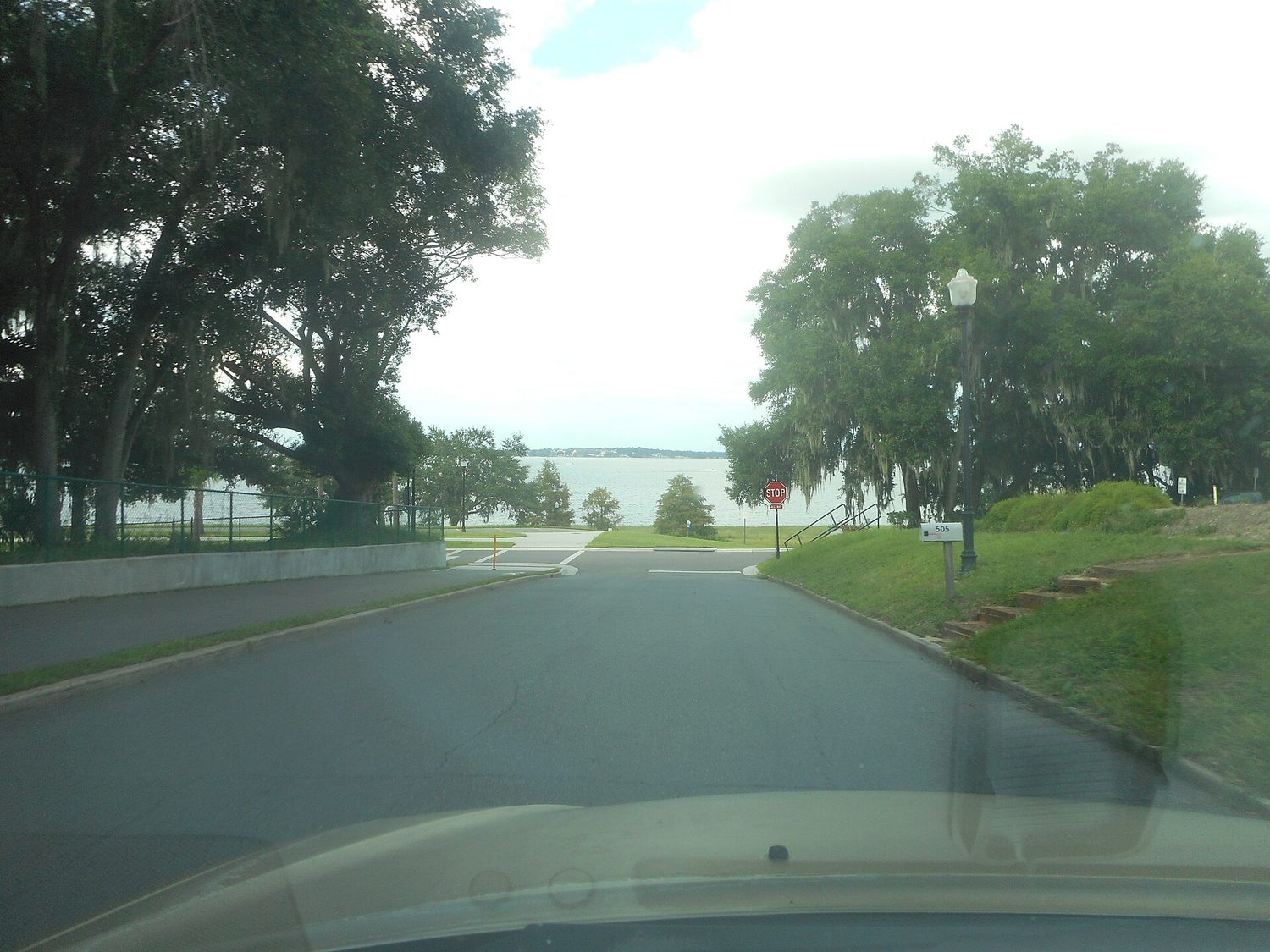
Day 1: Climb the Hill That Built the Slogan
Start at Waterfront Park on Lake Minneola, where the flat ground is a courtesy—swimming, fishing piers, and a playground before the day turns vertical. From there, the real work begins. Clermont adopted the slogan Choice of Champions in 2014, and it wasn't marketing fluff; the National Training Center has been drawing athletes here since 2001, and the hills are the reason. The climbs around the city are relentless, the kind of grade that punishes a casual pace. Take them slow.
At the top of the effort, stop at the Florida Citrus Tower, built in 1956. From the observation deck, the landscape tells a story of subtraction: where orange trees once ran to the horizon, there are now rooftops, roads, and scrub. The tower outlived the industry it celebrated—one of Florida's earliest roadside landmarks now stands over a monument to what's missing. The groves are gone, but the vista is still the point.
Day 2: Citrus Groves, Gators, and Lake Louisa
Showcase of Citrus is the closest you'll get to a working grove experience without a time machine. It's a working citrus operation, and it leans into the history that made this region famous—before the freezes, before the subdivisions. You can see what the land used to be, even if the scale is a fraction of the old days.
From there, contrast the cultivated with the wild at Lake Louisa State Park. This is the terrain that swallowed the groves—hiking trails and paddling routes through land that has gone back to something rougher. The park is bigger, quieter, and more demanding than the manicured citrus operation. It's also the honest answer to what replaced the orange trees: not just houses, but reclaimed wilderness. The two stops make a clean pair—one shows you what Clermont grew, the other shows you what it grew into.
Day 3: Where to Eat in Clermont: Chains and a Local Pick
Let's be direct: Clermont's dining scene along Highway 27 and 50 is a corridor of national chains, and that's not a secret. The options are predictable, but they're also well-rated and reliable. IHOP and Keke's Breakfast Cafe handle the morning crowd with strong reviews. For lunch or dinner, Outback Steakhouse and Texas Roadhouse both sit comfortably above four stars, and Miller's Ale House offers a similar mid-tier experience. If you want consistency and speed, these are the moves.
The outlier is Pepe's Cantina Clermont, which breaks the chain pattern with a local operation that draws strong ratings. It's on West Minneola Avenue, off the main highway corridor, and it's the closest thing to a non-franchise meal in town. That's not a knock on the chains—they dominate because they work—but if you want a meal that doesn't exist in every city in America, Pepe's is the detour.
Where to Stay in Clermont: Resort vs. Highway Hotels
For a family trip, Summer Bay Orlando By Exploria Resorts is the big-box option—a resort property with the amenities and scale to absorb a week, not just a weekend. It's on Summer Bay Boulevard, south of the main action, and it's the kind of place where you could park the car and not leave.
The alternative is staying closer to the highway, where access to the dining corridor and the parks is easier. The census data explains the housing landscape: of 18,718 housing units in Clermont, only 558 are held for seasonal or recreational use, and 1,800 are vacant. That's a town built for permanent residents, not tourists—so lodging options are thinner than in a dedicated resort town. Median home value sits at $368,600, and gross rent at $1,774, which tells you this is a commuter and retirement market, not a vacation rental hub. Book early, especially if your visit overlaps with a major event.
How the Freeze Changed Clermont's Citrus Industry
Clermont was established in 1884, incorporated as a town in 1891, and briefly disbanded before being reincorporated as a city in 1916. The name came from the French hometown of A.F. Wrotnowski, who managed the Clermont Improvement Company. For decades, citrus was the economic engine—orange groves dominated the county's economy into the mid-twentieth century.
Then the freezes came. Repeated cold snaps, followed by suburban development, dismantled the industry faster than it could adapt. The Florida Citrus Tower, built in 1956, was meant to celebrate an empire. It now stands as a monument to its collapse. The town rebranded around fitness and athletics instead—the 2014 slogan Choice of Champions was a deliberate pivot from oranges to endurance. The hills that were once planted with citrus are now training grounds. The groves are gone; the grades remain.
When to Visit and What to Pack
Spring and fall are the sweet spots. Summer in Central Florida is brutal for outdoor activity—heat index, afternoon storms, and humidity that makes climbing feel like a punishment. Pig on the Pond, the biggest event in south Lake County, runs three days at Waterfront Park and draws more than 20,000 people; the 2026 edition was the 27th. It's a spring event, so it pairs well with a visit before the heat sets in.
Pack for hills: proper shoes, sunscreen, and more water than you think you need. Clermont's elevation is modest by national standards, but it's the steepest ground in peninsular Florida, and the repeated climbs wear on unprepared legs. The parks—Waterfront Park and Lake Louisa State Park—are the anchors, and both reward a full day. If you're coming for the workout, bring the gear. If you're coming for the history, bring the curiosity. The oranges are gone, but the land still has something to say.
Clermont's Top Outdoor Spots at a Glance
| Spot | Best For |
|---|---|
| Waterfront Park | Lake swimming, fishing piers, flat warm-up |
| Lake Louisa State Park | Hiking, paddling, wild terrain |
| Showcase of Citrus | Working grove experience, citrus history |
| Florida Citrus Tower | Views, historical context, landmark photos |
The answer to the question is simple: Clermont is worth a weekend if you want hills, history, and a town that traded oranges for athletes. It's not a theme-park pit stop. It's a place to slow down, climb, and look at what's left.
Common questions
- What is there to do outdoors in Clermont?
- Hit Waterfront Park on Lake Minneola for swimming, fishing piers, and a playground. Lake Louisa State Park offers more nature with trails and lakes. Both are highly rated—4.7 stars—and give you the hills and water that define the area.
- Is Clermont worth visiting if I'm not into cycling?
- Yes. The hills are great for cycling, but you can also explore the citrus history at Showcase of Citrus, relax at Lake Louisa State Park, or catch Pig on the Pond, a three-day festival at Waterfront Park drawing over 20,000 people. It's a slower, outdoorsy base.
- Where should I eat in Clermont?
- Top-rated spots include Pepe's Cantina Clermont (4.7 stars) for Mexican, IHOP (4.7) and Keke's Breakfast Cafe (4.7) for breakfast, and Outback Steakhouse (4.6) or Miller's Ale House (4.6) for dinner. All are local chain locations with solid reviews.
- What's the story with the Florida Citrus Tower?
- Built in 1956, it was one of Florida's earliest roadside landmarks, celebrating the citrus groves that once dominated the economy. The groves are mostly gone now due to freezes and development, but the tower still stands as a relic of that era.
- Can I visit nearby towns from Clermont?
- Yes. Mount Dora is 21 miles away for its Arts Festival or Craft Fair. Altamonte Springs (25 miles) has Red Hot & Boom, Dade City (35 miles) has the Kumquat Festival, and Sanford (36 miles) hosts Porchfest. All make easy day trips.
- How crowded is Clermont compared to Orlando?
- Clermont is quieter. With a population of about 44,984 and a median age of 42.4, it's a slower pace. You'll find more space at parks like Lake Louisa, though popular spots like Waterfront Park can get busy during events like Pig on the Pond.
Every business named above is one we hold a listing for, and every date traces to a source on our sources page. We do not describe menus, interiors or service we have not verified. Details change — confirm before you travel.