Guides · Clermont, Florida
What Is Clermont, FL Known For? Hills, Lakes & Athletes
Clermont’s identity flipped from citrus to spandex in a single generation. The groves are gone; the hills that grew them are now a training ground.
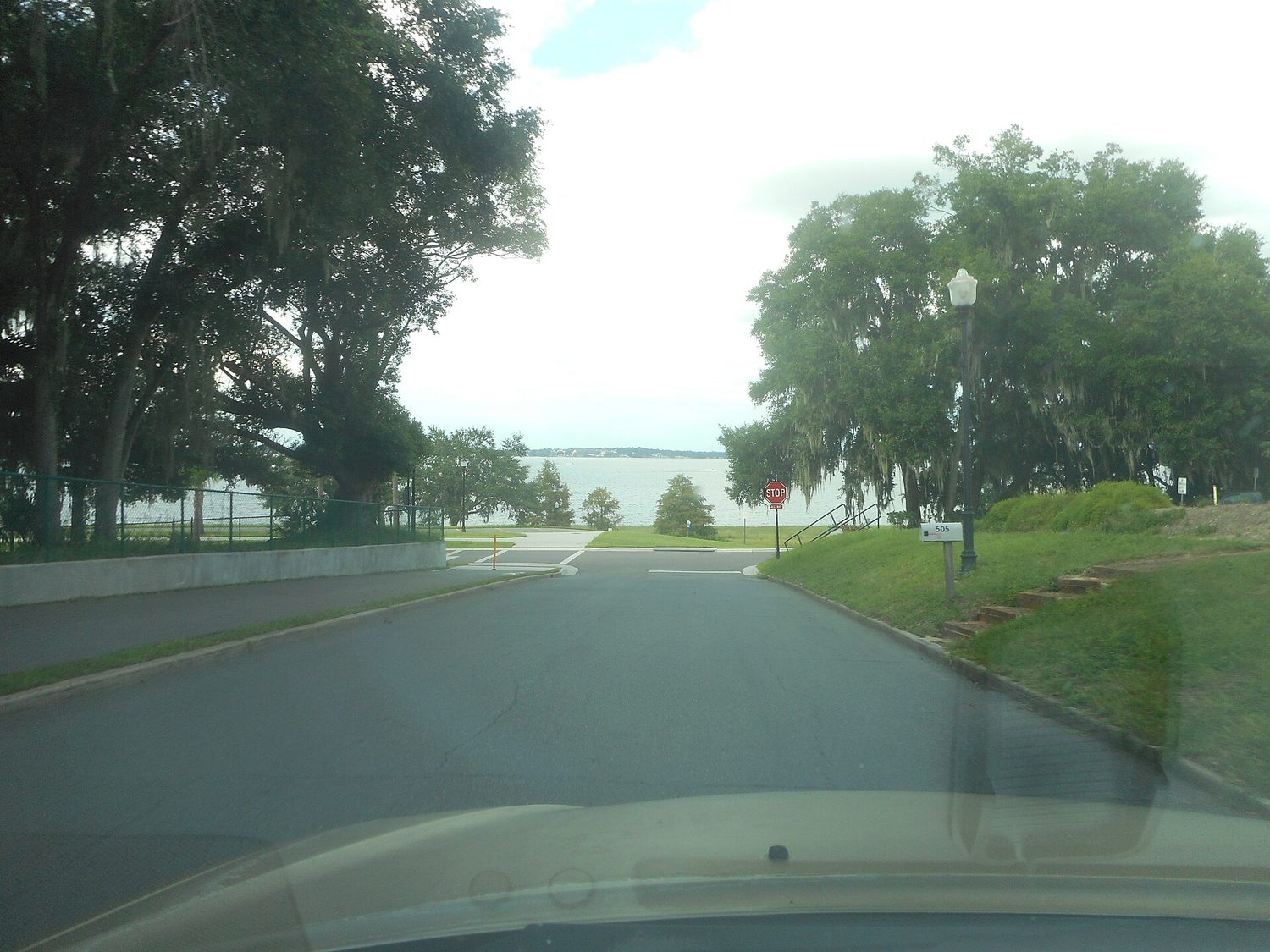
Clermont's Citrus History: How Hills Shaped the Town
Clermont started as a land play. Established in 1884 and incorporated as a town on 9 June 1891, it was named for the French hometown of A.F. Wrotnowski, who managed the Clermont Improvement Company. The pitch was the same as everywhere else in Florida then: cheap land, sandy soil, and railroads. The difference was the terrain. These are the steepest hills in peninsular Florida, and they turned out to be excellent for citrus. Orange groves dominated the county’s economy into the mid-twentieth century, the slopes holding cold air drainage and the sandy loam draining water fast. The town disbanded as a municipality on 25 May 1895, reincorporated as a city on 28 December 1916, and spent the next half-century as a farming town with a view. Then the freezes came—repeated, brutal, and final—and suburban development finished the job. The groves dwindled fast.
The Citrus Tower: A Landmark That Outlasted the Groves
The Florida Citrus Tower, built in 1956, still stands over a landscape whose groves have largely gone. It was one of Florida’s earliest roadside landmarks, a 226-foot concrete needle built so tourists could look out over a sea of orange trees. Those trees are mostly gone. The tower remains, a little absurd, a lot stubborn—a monument to an economy that collapsed and a town that didn’t. It outlived the industry it was built to celebrate, which is either ironic or perfectly on-brand for a town that keeps reinventing its hills.
Why Clermont Became a Top Training Destination for Athletes
The hills that once drained cold air off citrus now punish athletes. The National Training Center, established in 2001, turned Clermont into a destination for triathletes, cyclists, and runners who wanted hills—real hills—without leaving Florida. The town adopted the slogan Choice of Champions in 2014, on the strength of that center, and it stuck. The math is simple: citrus needs gentle slopes, and athletes need brutal ones. Clermont had both, and it chose the latter.
Waterfront Park on Lake Minneola: A Local Favorite
Waterfront Park on Lake Minneola is the town’s public face: swimming, fishing piers, and a playground, all within sight of the water. It’s not a hidden cove; it’s a working park that fills up on weekends. The numbers hint at a town that swells with visitors. Of 18,718 total housing units, 558 are held for seasonal or recreational use, and 1,800 sit vacant. That’s roughly 12 percent of the housing stock either empty or only occasionally occupied—a sign of a place that people visit more than they live in.
Clermont Demographics: Who Lives There Today
The people who do live here are older, better-educated, and wealthier than the farm-town stereotype. The median age is 42.4 years. The median household income is $79,789. Median home value is $368,600; median gross rent is $1,774. The unemployment rate is 5.9 percent. Over a third—35.7 percent—hold a bachelor’s degree or higher. This is not a citrus town anymore. It’s a commuter and athlete town with a lake view and a hill problem.
| Clermont at a Glance: Then and Now | Then (mid-20th century) | Now (2020s) |
|---|---|---|
| Economy | Citrus groves dominate | Athlete training, tourism, commuting |
| Landscape | Orange trees on every slope | Subdivisions, parks, empty grove land |
| Population | Small farming town | 44,984 people |
| Signature landmark | Citrus Tower (1956) | Citrus Tower (still standing) |
| Identity | Agricultural | Choice of Champions |
Pig on the Pond: Clermont's Biggest Community Festival
The old citrus economy is gone, but the town still gathers. Pig on the Pond runs three days at Waterfront Park and is the biggest event in south Lake County, drawing more than 20,000 people. It’s run by Project Scholars, a non-profit, and the 2026 edition was the 27th. It’s a barbecue-and-music festival, but it’s really a civic ritual—a way for a town that lost its cash crop to keep having a reason to come together.
So, What Is Clermont Known For?
Three things. The hills—the steepest in peninsular Florida. The tower that outlived the groves. And the athletes who train on those hills because the groves are gone. It’s a town that traded oranges for endurance, and the slogan “Choice of Champions” isn’t a boast; it’s a description of what the terrain allows. The citrus is gone. The hills aren’t. And the town figured out how to use them.
Is it a good place to live or just a tourist stop? The data says it’s both. The 44,984 residents have a median household income nearly 20 percent above the national figure, and the seasonal homes and vacant units suggest a steady stream of visitors who like the hills enough to buy a piece of them. As for distance from other Lake County towns: Mount Dora is 21 miles away, an easy day trip for the arts festivals. Clermont doesn’t need to borrow from Mount Dora’s charm; it has its own steep, stubborn version.
Common questions
- Why is Clermont called the Choice of Champions?
- Clermont adopted the slogan 'Choice of Champions' in 2014, based on the National Training Center established there in 2001. The center attracts athletes for training, giving the city its athletic reputation and nickname.
- What happened to the orange groves in Clermont?
- Citrus groves dominated the economy into the mid-twentieth century, then dwindled fast under repeated freezes and suburban development. The 1956 Florida Citrus Tower still stands, but it now overlooks a landscape where most groves are gone.
- Is the Florida Citrus Tower still worth seeing?
- Yes, the 1956 Florida Citrus Tower remains a landmark, one of Florida's earliest roadside attractions. It outlived the citrus industry it was built to celebrate, offering views of hills and former groves—a striking contrast to the past.
- What can I do at Waterfront Park in Clermont?
- Waterfront Park sits on Lake Minneola and offers swimming, fishing piers, and a playground. It's also the site of Pig on the Pond, a three-day event drawing over 20,000 people, run by Project Scholars.
- When was Clermont founded and incorporated?
- Clermont was established in 1884, incorporated as a town on June 9, 1891, disbanded on May 25, 1895, and reincorporated as a city on December 28, 1916. It's named after the French hometown of A.F. Wrotnowski.
- What is the demographic makeup of Clermont?
- Clermont has a population of 44,984, with a median age of 42.4 years. Median household income is $79,789, median home value is $368,600, and 35.7% of residents hold a bachelor's degree or higher.
Every business named above is one we hold a listing for, and every date traces to a source on our sources page. We do not describe menus, interiors or service we have not verified. Details change — confirm before you travel.