Guides · Clermont, Florida
Why Clermont Is Where It Is
Clermont exists because of a hill. The high, steep ground that breaks the Florida flatlands drew citrus growers, then a railroad, then a town—and when the citrus died, the hills turned out to be good for something else entirely.
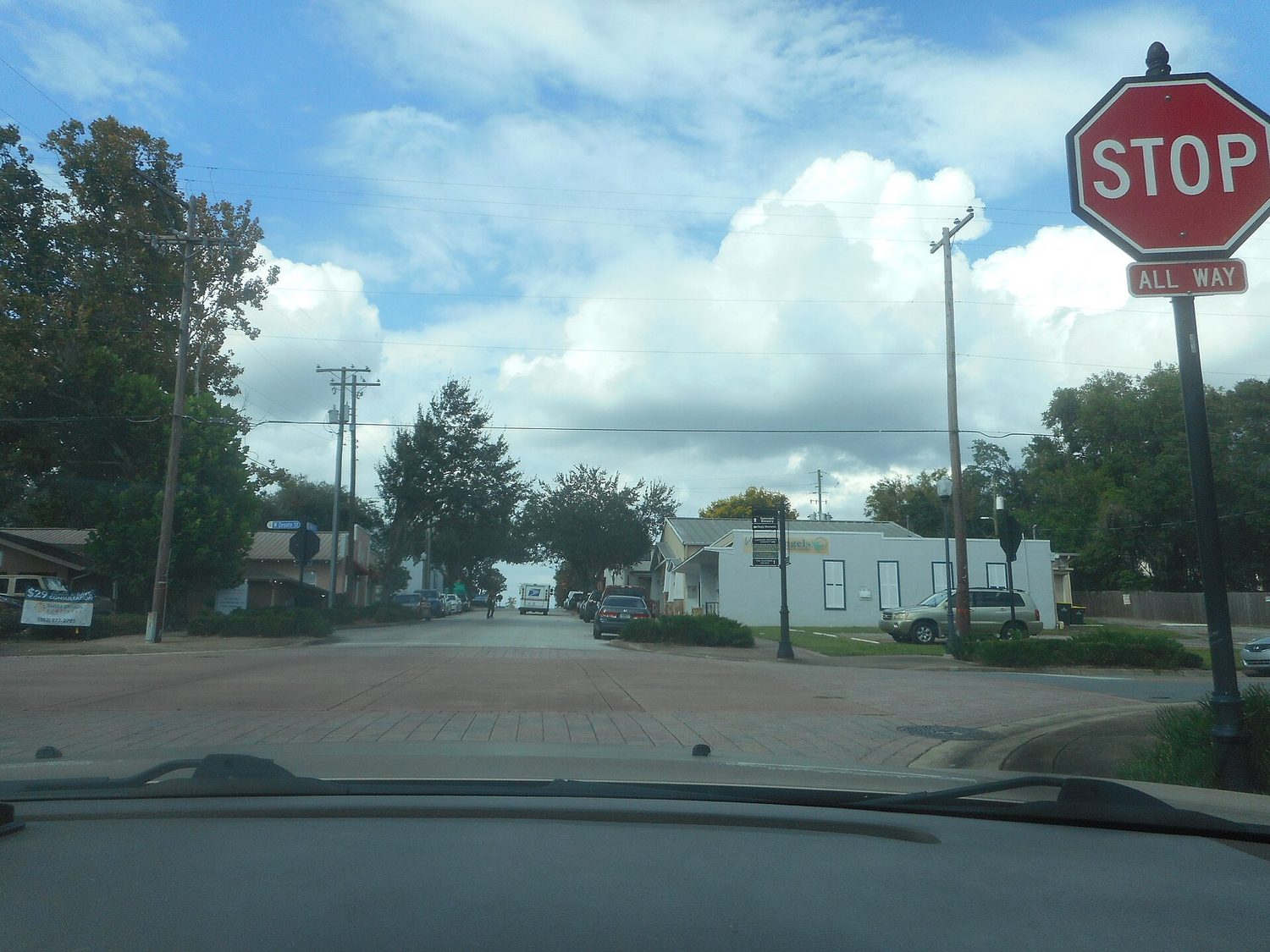
The place was established in 1884, incorporated as a town on 9 June 1891, disbanded on 25 May 1895, and reincorporated as a city on 28 December 1916. That gap of more than two decades between incorporations says a lot. Early Clermont was a boom-and-bust settlement, tied to the fortunes of orange groves and the patience of investors. The city took its name from the French hometown of A.F. Wrotnowski, who managed the Clermont Improvement Company. A French name on a Florida ridge line—that is the kind of detail that sticks.
For decades, the groves were the whole story. Orange and citrus groves dominated the county’s economy into the mid-twentieth century. The land was right, the climate was right, and the hills drained well. Then the freezes came, again and again, and the groves dwindled fast under the cold and under suburban development. The industry that built the town did not survive the century.
What remains is the landmark. The Florida Citrus Tower, built in 1956, still stands over a landscape whose groves have largely gone. It was one of Florida’s earliest roadside landmarks, and it outlived the industry it was built to celebrate. That is a strange kind of monument: a tower celebrating something that is no longer there. It works, though. It tells the truth about Clermont’s past without pretending the present is the same.
The present is different. The hills that made the town possible now make it useful for athletes. Clermont adopted the slogan “Choice of Champions” in 2014, on the strength of the National Training Center established there in 2001. The same slopes that once held orange trees now hold training grounds. The geography did not change; the use did. That is the whole story in one sentence.
The numbers back up the shift. The population is 44,984 people, with a median age of 42.4 years. The median household income is $79,789, and 35.7 percent of residents hold a bachelor’s degree or higher. The unemployment rate is 5.9 percent. Median home value runs $368,600, and the median gross rent is $1,774. These are not citrus-economy numbers. These are commuter-and-training-economy numbers, the profile of a town that sells its landscape rather than its harvest.
Housing tells a quieter version of the same story. There are 18,718 total housing units. Of those, 558 are held for seasonal or recreational use, and 1,800 are vacant. That is a small seasonal share, about 3 percent, but it is not zero. The town has room for visitors, just not a lot of them. The vacancy rate, at roughly 9.6 percent, suggests a housing market still catching up with the population.
The recreational side is public and unglamorous. Waterfront Park sits on Lake Minneola, with swimming, fishing piers and a playground. That is the kind of amenity that does not make a brochure but does make a town livable. It is also the kind of place that gets used by locals, not just by people passing through on the way to Orlando.
Clermont’s position in Lake County matters. It is close enough to the metro area to draw commuters, far enough to keep some of its own character. The hills give it something flat Florida does not have: views, elevation, and a reason to train. The freezes took the groves, but they did not take the topography. That is the trade. The town lost its original industry and gained a second one, built on the same land.
The Florida Citrus Tower is the hinge between those two eras. Built in 1956, it was a celebration at the peak of the grove economy. It is now a relic that doubles as a viewpoint. From the top, you can see what used to be there and what replaced it. That is not nostalgia; that is just looking out the window.
Clermont is where it is because the ground is steep. That is the whole reason. The steepness made citrus viable, then made training viable, and in between gave the town a landmark that survived both. The name, the dates, the tower, the hills—they all line up. The town did not choose its location; the location chose it.
Every business named above is one we hold a listing for, and every date traces to a source on our sources page. We do not describe menus, interiors or service we have not verified. Details change — confirm before you travel.