Guides · Clermont, Florida
Clermont Florida: From Citrus Groves to Lakeside Town
Clermont was built on citrus, but the water holds it together now. Lakes that once made the groves possible now define what the town has become.
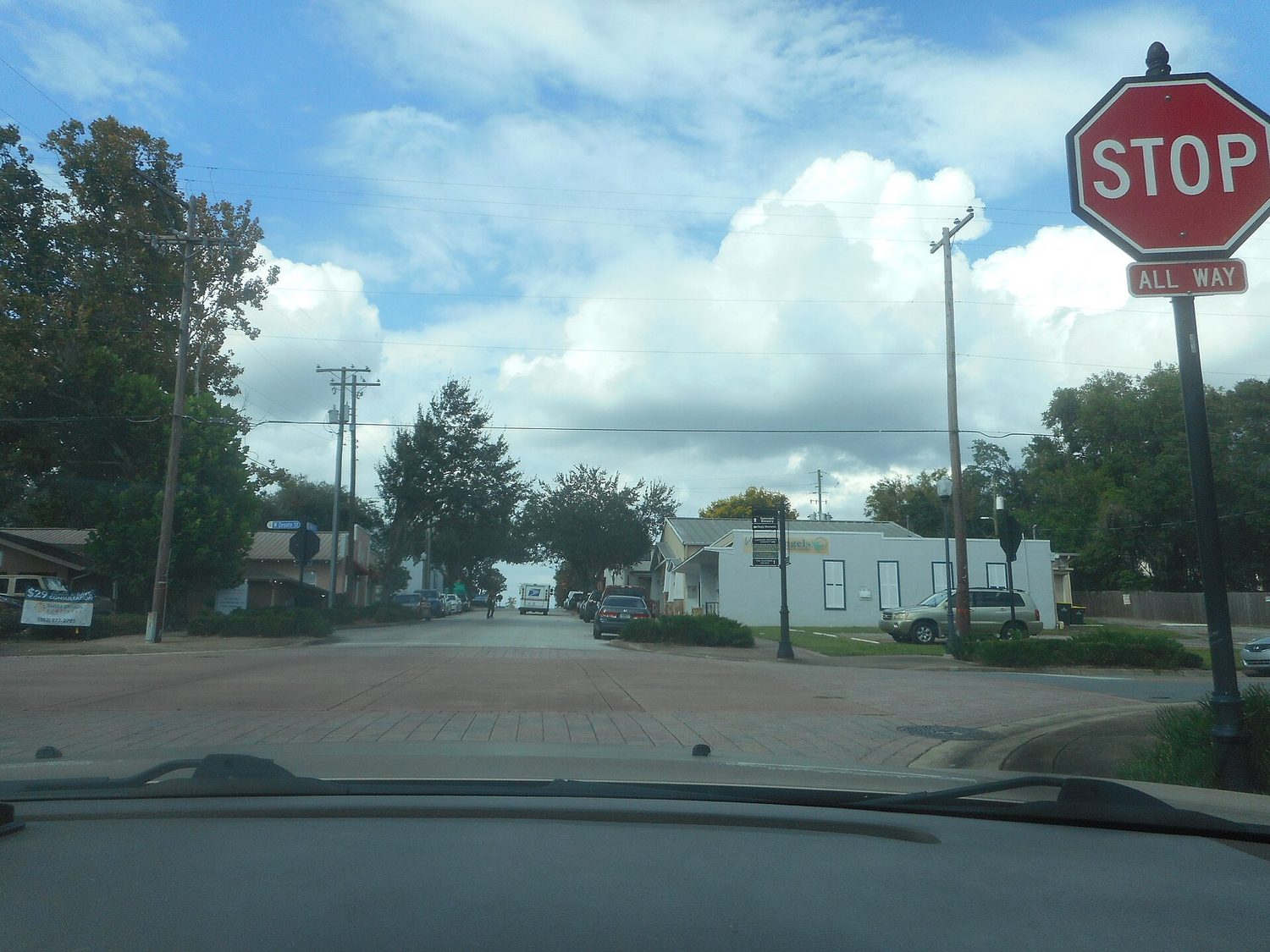
Clermont's Shift from Citrus to Lakeside Living
Established in 1884 and incorporated as a town on 9 June 1891, Clermont took its name from the French hometown of A.F. Wrotnowski, who managed the Clermont Improvement Company. The lakes—Minneola, Louisa, and the rest of the chain—made the rolling hills attractive for orange and citrus groves in the first place. For decades, those groves dominated the county’s economy, right through the mid-twentieth century.
Then the freezes came. Repeated hard freezes, followed by suburban development, finished the job. The groves dwindled fast. Today they are mostly gone. What remains is the landscape they shaped: steep hills, open water, and a town that has had to find a new reason to exist. The water that once irrigated the citrus now anchors Clermont’s modern character.
Lake Minneola: The Town's Front Yard
The center of that new identity is Waterfront Park on Lake Minneola. It is the closest thing Clermont has to a town square, with swimming, fishing piers, and a playground spread along the shore. It is where residents go to cool off, where families spend weekends, and where the town gathers for its biggest events.
The largest of those is Pig on the Pond, a three-day festival held at Waterfront Park and run by the non-profit Project Scholars. It draws more than 20,000 people, making it the biggest event in south Lake County. The 2026 edition was the 27th. The festival has become as much a fixture of the lakeshore as the park itself.
The Florida Citrus Tower: A Monument to a Lost Era
Rising above the hills is the Florida Citrus Tower, built in 1956. It was one of Florida’s earliest roadside landmarks, erected to celebrate an industry then at its peak. Visitors climbed it to see endless groves stretching to the horizon—a view that no longer exists.
The groves are gone, but the tower remains. It stands now as a monument to a different Clermont, a relic of the agricultural economy that built the town and then vanished under freeze and development. It outlived the industry it was built to honor. That is precisely why it is worth seeing: not for what it shows, but for what it remembers.
From Citrus to Champions
With the groves gone, Clermont pivoted. In 2001, the National Training Center was established in the town, bringing elite athletes to the hills and lakes. That decision proved significant enough that in 2014, Clermont adopted the slogan "Choice of Champions." It is a direct reference to the training center and the athletes who come to train there.
The slogan is not just marketing. It reflects a genuine shift from agriculture to athletics and recreation. The same topography that made citrus farming difficult—the steep hills, the varied terrain—makes for excellent training ground. And the lakes that once watered the groves now serve rowers, triathletes, and weekend swimmers. The water that sustained the old economy now sustains the new one.
Clermont's Demographics: Who Lives There Today
The people who live here now look different from the citrus workers of a century ago. The population stands at 44,984, with a median age of 42.4 years. The median household income is $79,789, and the median home value is $368,600. More than a third of residents—35.7 percent—hold a bachelor’s degree or higher. The unemployment rate sits at 5.9 percent.
Housing tells part of the story. Of the 18,718 total housing units, 558 are held for seasonal or recreational use, and 1,800 are vacant. That suggests a town with a meaningful second-home presence, but not one that has been overrun by it. The median gross rent is $1,774, which puts Clermont in a moderate range for the region. These are numbers of a town that has grown, and is still growing, without losing its footing.
| Metric | Value |
|---|---|
| Population | 44,984 |
| Median age | 42.4 years |
| Median household income | $79,789 |
| Median home value | $368,600 |
| Median gross rent | $1,774 |
| Bachelor's degree or higher | 35.7% |
| Unemployment rate | 5.9% |
| Total housing units | 18,718 |
| Vacant housing units | 1,800 |
| Seasonal/recreational homes | 558 |
Beyond Clermont: Day Trips on the Water and Off
Clermont’s lakes are a good reason to stay, but the region offers reasons to roam. Mount Dora, 21 miles away, hosts the Mount Dora Arts Festival and the Mount Dora Craft Fair, both worth a day. Altamonte Springs, 25 miles out, has Red Hot & Boom for the Fourth of July. Dade City, 35 miles south, runs the Kumquat Festival, a nod to a different kind of Florida agriculture. Sanford, 36 miles away, hosts Sanford Porchfest, and Oviedo, 38 miles out, has Great Day in the Country. Each is a different flavor of Central Florida, and all are within an hour’s drive.
Clermont itself, though, is the place where the water and the hills meet. The groves are gone, but the lakes that made them possible are still here, and they are what the town has chosen to build on.
Common questions
- Why is Clermont called the Choice of Champions?
- Clermont adopted that slogan in 2014, based on the National Training Center established there in 2001. The center draws athletes for training, which is why the city leans into the athletic branding. It's a nod to the sports focus, not a reference to the hills or citrus history.
- What happened to all the orange groves in Clermont?
- Citrus groves dominated the local economy into the mid-twentieth century, then dwindled fast under repeated freezes and suburban development. The 1956 Florida Citrus Tower still stands, but it now overlooks a landscape where most groves are gone. The hills remain, though.
- Is the Florida Citrus Tower worth seeing today?
- Yes, if you want a piece of roadside history. Built in 1956, it's one of Florida's earliest landmarks and outlived the industry it celebrated. You'll see the hills and the changed landscape from the top, not endless groves. It's a historical marker more than a working citrus monument.
- Can I swim or fish in Clermont?
- Yes, go to Waterfront Park on Lake Minneola. It has swimming, fishing piers, and a playground. That's the main public spot for water access. The park also hosts events like Pig on the Pond, so check the schedule if you want a lively day.
- What is Pig on the Pond?
- It's a three-day event at Waterfront Park, the biggest in south Lake County, drawing over 20,000 people. Run by Project Scholars, a non-profit, the 2026 edition was the 27th. Expect food, entertainment, and a crowd, all centered on the lake.
- How hilly is Clermont really?
- It's the steepest ground in peninsular Florida, which is why the publication is called Hills & Groves. The hills were planted with citrus until freezes took them. Now you get elevation changes rare for Florida, good for training or just views, but no groves left to speak of.
Every business named above is one we hold a listing for, and every date traces to a source on our sources page. We do not describe menus, interiors or service we have not verified. Details change — confirm before you travel.