Guides · Clermont, Florida
What People Get Wrong About Clermont, FL
Clermont was never just a citrus town, and it isn't just a suburb either—it's the steepest ground in peninsular Florida, and the death of the groves became the foundation of its athletic identity.
The Citrus Tower Is a Monument to a Dead Industry
The Florida Citrus Tower was built in 1956, and it still stands—226 feet of roadside ambition over a landscape that no longer grows what it was built to celebrate. The tower outlived the industry. Orange groves dominated Lake County's economy into the mid-twentieth century, then dwindled fast under repeated freezes and suburban development. What remains is a monument to a vanished economy, not a working symbol. That's the point. It isn't a nostalgic throwback; it's a tombstone with an observation deck.
The Hills That Replaced the Orange Groves
The groves are gone, but the land they occupied didn't flatten out. Clermont sits on the steepest terrain in peninsular Florida, and when the citrus died, the hills became the draw. Cyclists, runners, and triathletes came for the elevation that doesn't exist anywhere else in the region. The National Training Center arrived in 2001, and by 2014 the city had adopted the slogan Choice of Champions. That's not marketing fluff—it's a statement about what replaced the oranges. The abandoned grove land became training ground.
The Town That Gave Up Its Charter—Then Came Back
Clermont's civic history is as uneven as its terrain. Founded in 1884, incorporated as a town on 9 June 1891, disbanded on 25 May 1895, and reincorporated as a city on 28 December 1916. A town that gave up its own charter and came back two decades later tells you something about early boom-and-bust. The first attempt didn't stick. The second one did. The city is named for the French hometown of A.F. Wrotnowski, who managed the Clermont Improvement Company—a name that sounds optimistic in hindsight, given how the first incorporation went.
What the Demographics Actually Show
The median age is 42.4 years, and 35.7 percent of residents hold a bachelor's degree or higher. Median household income sits at $79,789. That's not a picture of a sleepy old-folks town—it's a working, educated population. The housing market tells a more complicated story: median home value is $368,600, median gross rent is $1,774, and out of 18,718 total housing units, only 558 are held for seasonal or recreational use. Vacant units number 1,800, and the unemployment rate is 5.9 percent. The retirement stereotype doesn't hold up against those numbers.
Lake Minneola: Swimming, Fishing, and Pig on the Pond
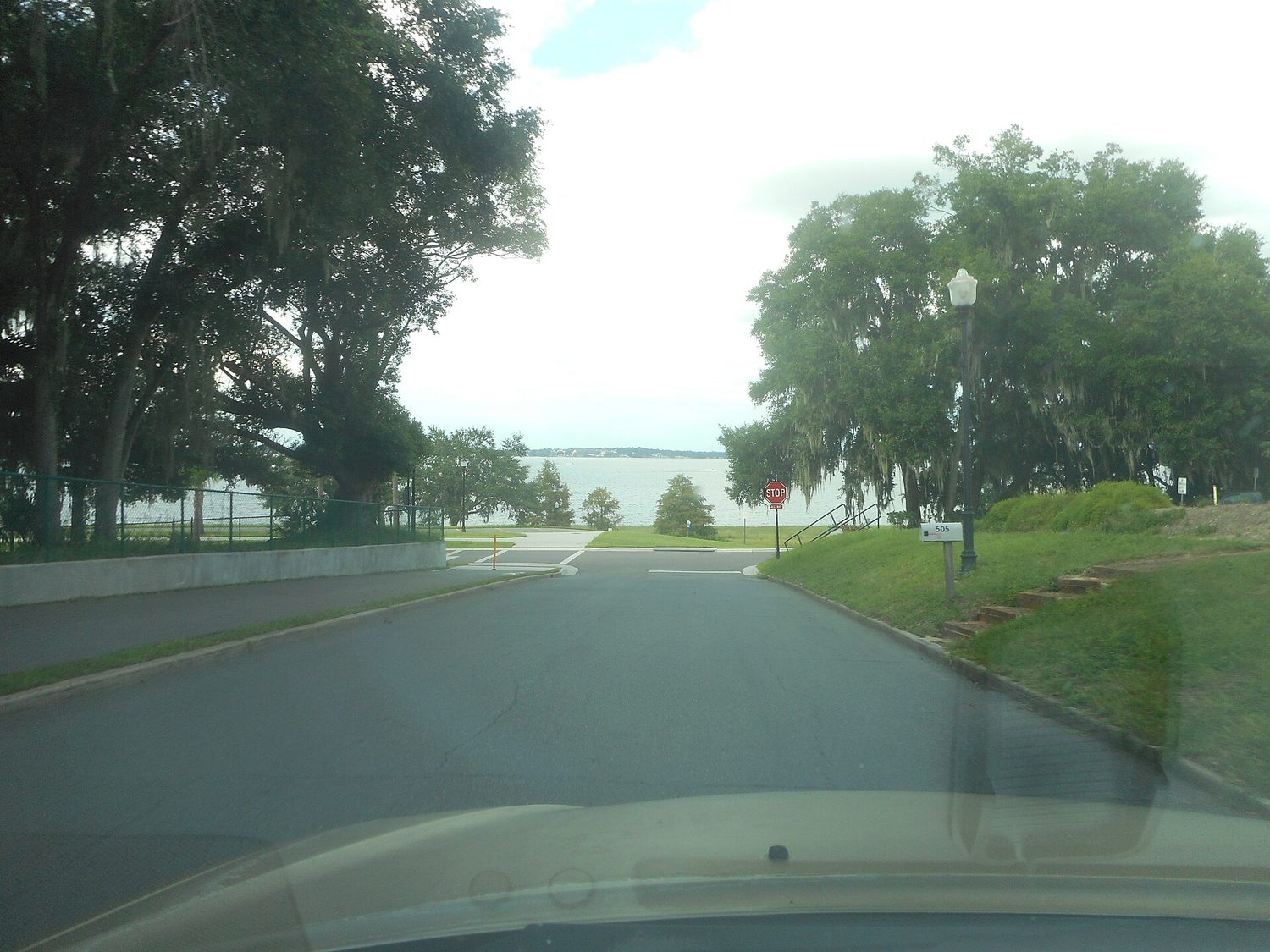
Waterfront Park on Lake Minneola offers swimming, fishing piers, and a playground—no ticket gate required. The biggest event in south Lake County is Pig on the Pond, a three-day affair at the park that draws more than 20,000 people, run by the non-profit Project Scholars. The 2026 edition was the 27th. It's a community gathering with a cause, not a tourist trap. The lake is the counterweight to the hills: one side for training, the other for recovering.
How Clermont Compares to Nearby Towns
Clermont doesn't do arts festivals or kitsch. It's not trying to be Mount Dora, Sanford, Oviedo, or Dade City. Those towns have their own identities—craft fairs, porch concerts, kumquats—but Clermont's draw is physical, not cultural. It's a working outdoor recreation hub. If you want to buy handmade pottery, go elsewhere. If you want to climb hills that don't exist anywhere else in Florida, you're already here.
| Town | What It Offers |
|---|---|
| Clermont | Hills, lake access, cycling and triathlon training grounds, Pig on the Pond |
| Mount Dora (21 miles) | Mount Dora Arts Festival, Mount Dora Craft Fair |
| Altamonte Springs (25 miles) | Red Hot & Boom |
| Dade City (35 miles) | Kumquat Festival |
| Sanford (36 miles) | Sanford Porchfest |
| Oviedo (38 miles) | Great Day in the Country |
So, is Clermont still a citrus town? No. Why "Choice of Champions"? The National Training Center, established 2001, made it a legitimate athletic destination. What is there to do besides the Citrus Tower? Ride the hills, swim Lake Minneola, hit Pig on the Pond. Is it just a retirement community? The census says otherwise. How does it compare to Mount Dora or Sanford? It doesn't—and that's the point.
Common questions
- Why is Clermont so hilly?
- Clermont sits on the steepest ground in peninsular Florida. That terrain was planted with citrus until repeated freezes killed the groves. The hills you see now are the legacy of that lost industry, not a natural oddity.
- Is the Florida Citrus Tower still worth visiting?
- Yes, the tower built in 1956 still stands, but the groves it was built to celebrate are largely gone. It's a roadside landmark that outlived the industry, offering a view over a changed landscape. It's history more than citrus.
- What's Clermont known for now?
- Clermont adopted the slogan Choice of Champions in 2014, thanks to the National Training Center established in 2001. It's a hub for athletes and triathletes. The hills that once grew citrus now host training rides.
- Is Clermont a good place to live or just a tourist stop?
- It's a real city of about 45,000 people with a median age of 42.4. Median home value is $368,600 and median household income is $79,789. It has a working population, not just seasonal visitors.
- What can I do at Lake Minneola?
- Waterfront Park on Lake Minneola has swimming, fishing piers, and a playground. It's a straightforward lakefront spot for families. The biggest annual event, Pig on the Pond, happens there over three days, drawing over 20,000 people.
- How did Clermont get its name?
- It's named for the French hometown of A.F. Wrotnowski, who managed the Clermont Improvement Company. The town was established in 1884, incorporated in 1891, briefly disbanded in 1895, and reincorporated as a city in 1916.
Every business named above is one we hold a listing for, and every date traces to a source on our sources page. We do not describe menus, interiors or service we have not verified. Details change — confirm before you travel.